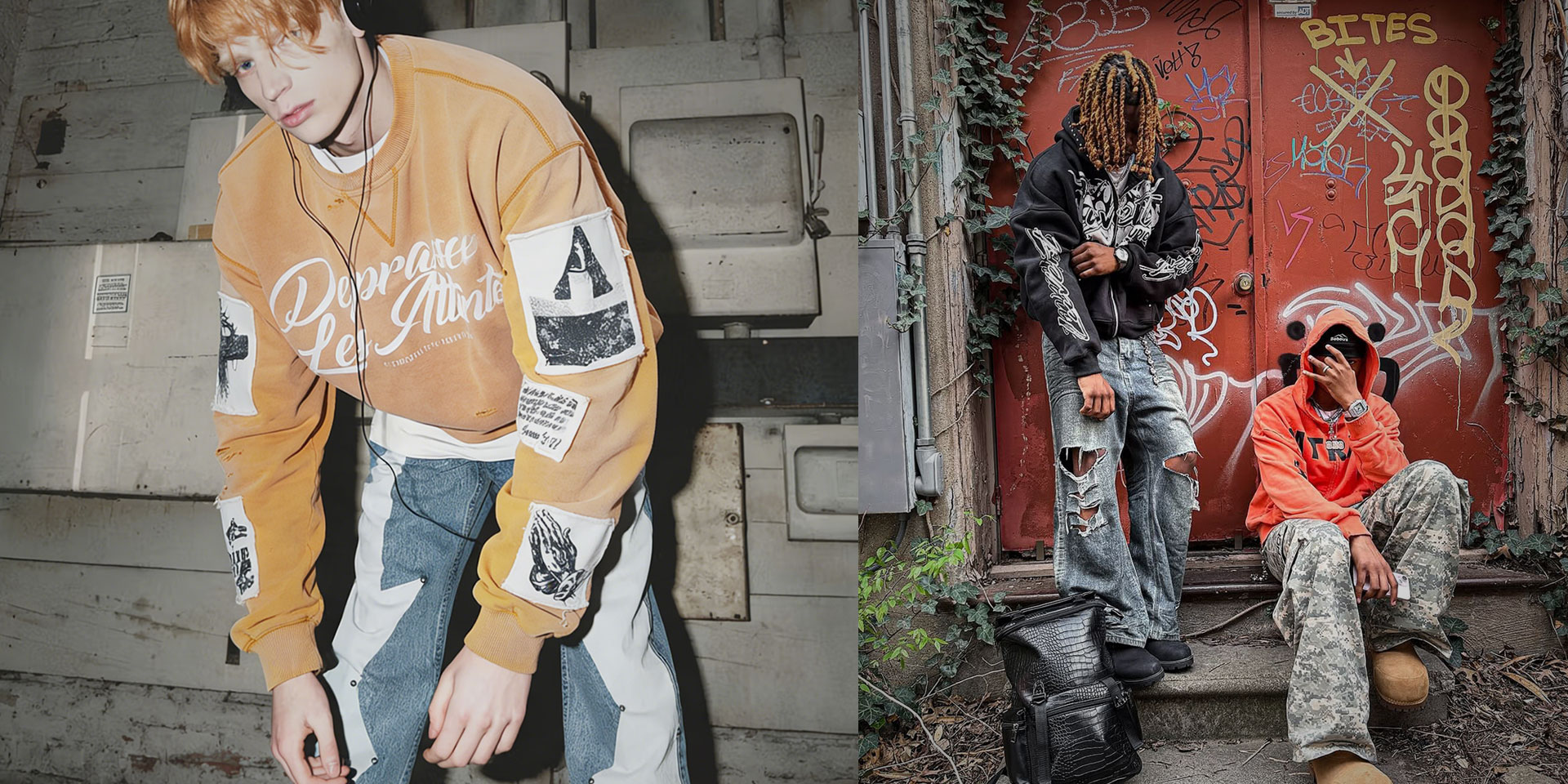
Same Factory, Two Scorecards: Why Your Procurement Team and Creative Team Should Never Evaluate a Streetwear Manufacturer the Same Way
When an independent brand with real traction starts scaling its production, a quiet but significant tension often builds between the people designing the clothes and the people sourcing them. Creative directors look at a pre-production sample and see the perfect drop shoulder, the exact vintage wash they envisioned, and the right amount of distressing on the hem. Procurement teams look at that exact same sample and see a supply chain risk, a potential bulk inconsistency issue, and a margin problem waiting to happen. This fundamental disconnect is why so many established streetwear brands struggle to find the right manufacturing partner as they grow.
What sounds like a simple sourcing question often turns into a battle of priorities inside the brand. The creative team wants a streetwear factory that inherently understands the culture, aesthetic, and visual language of modern streetwear. Meanwhile, the procurement team needs a factory that can deliver on time, at scale, and without the quality drops that ruin a highly anticipated release. The reality is that evaluating a specialized streetwear manufacturer requires both of these perspectives, but they must look at completely different signals during the vetting process. This piece breaks down how these two critical teams should assess the same production partner — using different criteria, different questions, and different scorecards — to ensure both the product vision and the business reality are protected.
Why Do Creative and Procurement Teams Often Clash Over the Same Streetwear Manufacturer?
Creative teams prioritize aesthetic execution, fabric feel, and cultural understanding, while procurement teams focus on sample-to-bulk consistency, lead times, and risk control. The clash happens because a factory that excels at making one perfect sample often lacks the systems to produce 5,000 identical units at the same standard.
For the creative team, the evaluation process is highly tactile, visual, and intuitive. They are looking for a streetwear clothing manufacturer that doesn't just read a tech pack, but actually understands the nuances of streetwear design. They care deeply about how a heavyweight 400gsm fleece drapes on the body, how an acid wash interacts with a screen print, and whether the oversized fit feels intentional rather than just sloppy or poorly graded. If a factory can't nail these details in the initial sampling phase, the creative team will usually reject them immediately, regardless of the price.
Procurement teams, on the other hand, operate on a completely different wavelength. They know from experience that a beautiful sample is essentially useless if the factory cannot replicate it consistently across a full production run. They are evaluating the factory's operational maturity and risk management systems. Can this streetwear apparel manufacturer handle complex wash techniques without a 15% defect rate? Do they have reliable access to premium cotton, or will they quietly swap in a lower-grade fabric when trims run out mid-production? Procurement is looking for a strategic partner that can support the brand's launch calendar and long-term production needs, not just a workshop that can sew a hoodie.
This difference in focus often leads to internal friction. The creative team might fall in love with a boutique factory that produces incredible vintage washes but has terrible communication and unpredictable lead times. The procurement team might push for a larger, more corporate factory that guarantees delivery dates but produces stiff, lifeless garments that lack the "soul" of streetwear. Finding a streetwear production partner that satisfies both sides is the ultimate challenge in scaling a premium brand.
What Should Creative Teams Look For When Evaluating a Streetwear Factory?
Creative teams must evaluate a factory's ability to execute complex techniques, source premium materials, and understand streetwear silhouettes. They should look for a partner that actively flags design risks and offers solutions, rather than just blindly following a tech pack.
When evaluating a potential partner, creative directors need to look far beyond the factory's basic equipment list. It's not enough that a factory can do screen printing; the real question is whether they understand the difference between a standard plastisol print and a vintage-feel water-based print that cracks perfectly over time. Creative teams must assess the factory's execution of specific, technique-intensive processes that define premium streetwear.
First, creative teams should assess the factory's understanding of fit and proportion. Streetwear relies heavily on specific silhouettes — boxy tees, cropped hoodies, stacked denim, baggy joggers, and exaggerated drop shoulders. A factory accustomed to standard casualwear will often struggle to translate these shapes from a 2D tech pack into a 3D garment. They might try to "correct" an oversized fit by simply grading up a standard pattern, resulting in a garment that fits poorly in the neck and armholes while looking ballooned rather than structured. Creative teams should ask to see examples of past work that demonstrate a mastery of these complex constructions and an understanding of how different fabrics — from 380gsm French terry to rigid 14oz denim — affect the final drape and silhouette.
Second, the evaluation must cover finishing techniques in detail. Modern streetwear often involves multiple layers of processing: enzyme washes, stone washes, heavy distressing, pigment dyeing, puff prints, crack prints, and mixed-media decoration like embroidery combined with appliqué. Creative teams need to know if the factory has the technical expertise to combine these processes without destroying the garment's structural integrity. A factory that truly understands streetwear will often push back on a design choice if they know it won't work in reality, suggesting a better approach to achieve the desired aesthetic. For example, they might advise against a heavy acid wash on a lightweight jersey, knowing it will cause excessive shrinkage and tearing. They might recommend a specific wash sequence — dye first, then distress, then soften — to protect the graphic placement.
Third, creative teams should evaluate the factory's sourcing capabilities for premium materials. Streetwear consumers are increasingly educated about fabric weight and texture. They expect heavyweight French terry, premium ring-spun cotton, custom YKK zippers, and branded drawcords. If a factory only has access to standard, lightweight materials, they will never be able to produce the premium feel that established streetwear brands require. Ask the factory where they source their fabrics, whether they can provide lab dips and fabric swatches before development begins, and whether they have relationships with mills that specialize in heavier, streetwear-appropriate textiles.
How Should Procurement Teams Assess the Same Streetwear Production Partner?
Procurement teams must evaluate a factory's production systems, quality control processes, and supply chain stability. They should focus on the manufacturer's ability to maintain sample-to-bulk consistency and manage complex, multi-step production runs without delays or material substitutions.
While the creative team is analyzing the wash on a sample hoodie, the procurement team should be analyzing the factory's infrastructure and operational discipline. The biggest risk for established streetwear brands is not a bad design, but a botched production run that ruins a highly anticipated drop, ties up capital, and damages customer trust.
Procurement teams need to dig deeply into the factory's quality control (QC) protocols. How do they ensure that the acid wash on unit #1 looks exactly like the acid wash on unit #5,000? What is their acceptable variance for shrinkage on heavyweight cotton after a garment dye process? What happens when a color match drifts during a long bulk run? A reliable streetwear manufacturer will have documented processes for managing these variables — in-line inspections at cutting, sewing, and finishing stages — rather than relying on guesswork or the "eye" of a single operator. Procurement should ask about pre-production meetings, golden sample approvals, in-line audits, and how the factory handles discrepancies between the approved pre-production sample and the bulk run.
Furthermore, procurement must evaluate the factory's supply chain depth and material sourcing stability. Streetwear often requires custom trims, specific zippers, specialized drawcords, and unique fabrics that aren't sitting in a warehouse. If a factory relies on unstable local markets for these components, a sudden shortage can derail an entire collection. Procurement teams should look for a streetwear garment manufacturer with strong, established relationships with material suppliers, ensuring that production won't stall because a specific dye lot or zipper color is suddenly unavailable. They should also assess the factory's ability to handle replenishment orders quickly if a particular style sells out faster than expected — because in streetwear, restock speed can make or break a season.
Communication and project management are also critical evaluation points for procurement. Does the factory use a centralized system for tracking production milestones, or do they rely on scattered emails and WhatsApp messages? Does the factory proactively flag potential delays or material issues, or do they stay silent until the delivery date is missed? A factory that communicates early about a two-week fabric delay is far more valuable than one that promises everything is fine and then ships three weeks late.
Where Do General Apparel Factories Fail Streetwear Brands?
General apparel factories often fail streetwear brands because they treat complex garments like basic basics. They lack the specialized equipment for heavyweight fabrics, misunderstand streetwear proportions, and struggle to maintain consistency across intensive wash and finishing processes.
Many brands with validated market demand make the critical mistake of taking their complex streetwear designs to a factory that specializes in basic corporate apparel, fast fashion, or standard activewear. On paper, the factory might seem highly capable — they have hundreds of sewing machines, massive cutting tables, and impressive daily output numbers. But the reality of premium streetwear production is vastly different from churning out basic t-shirts or standard polos.
General factories are optimized for speed, volume, and cost-efficiency, which usually means working with lighter, more predictable fabrics and standardized patterns. When handed a 500gsm French terry or a rigid denim that requires heavy distressing, their equipment and operators often struggle. Standard needles break on thick seams, standard cutting machines struggle with heavy layers, and the final garment loses its intended structure because the factory tried to force a complex material through a basic production line. The pattern maker might not understand that a boxy silhouette requires specific shoulder construction, not just wider measurements.
More importantly, general factories almost always lack the cultural context required to execute streetwear properly. They might look at an oversized tech pack and assume the measurements are a mistake, "correcting" the fit to standard proportions to save fabric or align with their usual grading rules. Or they might apply a graphic print perfectly centered and scaled down, ignoring the intentional off-center, oversized placement specified by the designer. They might use a standard rib knit on a hoodie cuff when the design called for a raw-edge finish. This lack of understanding leads to endless rounds of sampling, wasted time, and intense frustration for both the creative and procurement teams.
Furthermore, general factories rarely have the specialized facilities required for the intensive finishing processes that define modern streetwear. They might outsource garment dyeing, acid washing, or complex embroidery to third-party facilities, which introduces massive risks regarding quality control and sample-to-bulk consistency. When a brand needs a specific vintage fade across 3,000 hoodies, a general factory will often struggle to replicate it because they don't control the wash house, and the subcontractor's process varies from batch to batch.
Why Is Sample-to-Bulk Consistency the Ultimate Test for Both Teams?
Sample-to-bulk consistency is the most critical metric for evaluating a streetwear manufacturer because it proves the factory has robust systems, not just skilled sample makers. A factory that cannot replicate a complex sample at scale is a massive liability for any brand with proven sales.
The gap between a beautiful sample and a disastrous bulk production run is where many streetwear brands with established sales channels lose significant money and momentum. It is relatively easy for a factory to assign their most skilled pattern maker and sewer to create a single, perfect sample. It is exponentially more difficult to train a production line of fifty workers to replicate that exact garment thousands of times, especially when dealing with the variables inherent in streetwear manufacturing — heavyweight fabrics that behave differently in bulk cutting, washes that shift across large dye lots, and prints that cure inconsistently on a high-speed line.
For creative teams, poor sample-to-bulk consistency means their vision is compromised. The oversized hoodie that draped perfectly in the sample might arrive in bulk with a stiff, uncomfortable handfeel because the factory skipped a softening wash to save time. The intricate puff print might crack prematurely because the curing temperature on the bulk line was slightly lower than in the sample room. The embroidery that looked clean on the sample might show puckering across the bulk run because the stabilizer wasn't adjusted for the heavier fabric.
For procurement teams, poor consistency is a financial nightmare. It leads to high defect rates, unsellable inventory, delayed launches, and expensive chargebacks. If a brand has built a marketing campaign around a specific product, and the bulk delivery looks noticeably different from the promotional samples, the brand risks severe reputational damage with its customer base.
Evaluating a factory's ability to maintain consistency requires asking tough questions during the vetting process. Procurement teams should ask for case studies or references that speak specifically to bulk execution on complex streetwear products. They should inquire about the factory's tolerance for variance in measurements, color matching, and print placement. Creative teams should request to see bulk production samples — not just the hand-finished showroom piece. A will have clear, documented standards for these metrics and will be transparent about how they manage the transition from the sample room to the main production floor.
How Can Brands Align Creative and Procurement Goals Around One Factory?
Brands can align these teams by choosing a specialized streetwear manufacturer that acts as a bridge between design intent and production reality. This requires finding a partner with both the technical capability to execute complex designs and the operational systems to guarantee bulk consistency.
The tension between creative and procurement doesn't have to be destructive; in fact, it's necessary for building a sustainable, profitable brand. The key is finding a manufacturing partner that satisfies both sets of requirements simultaneously. This is where specialized streetwear production partners become invaluable compared to general apparel factories.
For brands looking at China-based custom streetwear development, is one example associated with technique-intensive production. They focus specifically on heavyweight fabrics, complex finishing, and custom development rather than basic apparel categories. This type of specialization means the creative team gets the aesthetic execution they demand, while the procurement team gets the operational reliability and consistency they need to manage risk.
When evaluating a potential , both teams should participate actively in the vetting process. The creative team should lead the discussion on capabilities — reviewing past production samples, discussing technical challenges, and assessing the factory's understanding of streetwear silhouettes. Simultaneously, the procurement team should lead the discussion on capacity, lead times, quality control systems, and supply chain stability.
Here is a practical framework for how each team can structure their evaluation:
By evaluating the factory together but through their respective lenses, brands can secure a long-term streetwear manufacturing partner capable of supporting their growth without compromising their identity. This collaborative approach ensures that the chosen factory isn't just a name on a purchase order, but a strategic extension of the brand's internal teams.
What Does the Future of Premium Streetwear Production Demand From Both Teams?
The future of premium streetwear production will demand tighter integration between design and manufacturing. Factories will need to offer advanced technical capabilities alongside robust, transparent production systems to support brands with complex, high-frequency drop schedules.
As the streetwear market continues to mature and consumer expectations rise, the demands on manufacturers will only increase. Consumers are becoming highly educated about fabric weight, wash techniques, and construction quality. They can spot a poorly executed print or a subpar fabric from a mile away, and they expect brands with proven sales to deliver premium execution consistently, drop after drop.
This means that the days of relying on disjointed, fragmented supply chains — where one factory cuts and sews, another prints, and a third handles the wash — are coming to an end. The risk of inconsistency, miscommunication, and delay is simply too high for brands operating on tight drop schedules tied to social media campaigns and content calendars. Instead, the industry is moving toward vertically integrated or highly coordinated who can manage the entire complex process under one roof or within a tightly controlled, specialized network.
For procurement and creative teams, this evolution means their evaluation criteria will become even more intertwined. The creative team will need to understand the production implications of their designs earlier in the process — before the tech pack is even finalized. The procurement team will need to appreciate the value of complex, slower manufacturing processes that yield a superior product, rather than always optimizing for the fastest turnaround. Ultimately, the brands that succeed in the next phase of streetwear will be those that view their not just as an interchangeable supplier, but as a vital strategic partner in their long-term growth — one that both the creative director and the procurement lead can trust equally.
Premium Varsity Jacket Manufacturing: How Trim Choices Affect Structure, Finish, and Bulk Quality
A varsity jacket looks like a classic staple on the rack, but the reality of manufacturing it is far more complex than most brands realize. The difference between a high-end streetwear piece and a basic collegiate uniform jacket is not just about choosing heavier wool or softer leather. It is about the trims, the structural tension, and how those specific elements hold up during rigorous bulk production. When independent brands with real traction decide to drop a premium outerwear piece, they often discover that the real challenge is not designing the jacket, but building a production system that can consistently replicate that design across hundreds of units.
The execution of a premium varsity jacket requires a deep understanding of pattern development, material interaction, and sewing tolerance. A heavy jacket is essentially an engineering project. If the structural alignment fails, the garment loses its intended silhouette and begins to droop under its own weight. This is where the gap between a standard apparel factory and a specialized streetwear manufacturer becomes glaringly obvious. A sample might look perfect in the showroom, but translating that sample into a flawless bulk run requires a level of control that only experienced product development teams and capable manufacturing partners can achieve.
Why is varsity jacket manufacturing more complex than basic outerwear production?
Basic outerwear relies on simple fabrics and standard sewing, but a premium varsity jacket requires managing tension across contrasting materials like heavy wool, genuine leather, and dense ribbing. If the structural alignment fails, the jacket loses its silhouette and droops under its own weight.
When developing a varsity jacket, product teams are not just dealing with one type of fabric. They are forcing two or three drastically different materials to work together in a single garment. A 24oz melton wool body behaves very differently from genuine cowhide leather sleeves. Wool has a certain level of natural give, while thick leather is rigid and unforgiving. When these materials meet at the armhole seam, the pattern development must account for the difference in thickness and flexibility. If the pattern is simply graded up like a standard t-shirt, the shoulders will buckle, and the sleeves will pull unnaturally.
This complexity is why tech pack review is a critical first step for established streetwear brands. A vague tech pack that simply asks for an "oversized fit" without specifying the exact drop shoulder measurements and armhole depth will inevitably lead to a failed sample. Oversized fit in heavy outerwear requires real pattern engineering, not just size enlargement. The armscye must be lowered and widened, but the sleeve head must be adjusted so that lifting an arm does not pull the entire body of the jacket up.
Furthermore, the fabric weight and hand feel must be perfectly balanced. If the wool is too light, the heavy leather sleeves will drag the jacket down, destroying the silhouette. If the leather is too stiff, the jacket becomes unwearable. Procurement teams must evaluate the drape and structure of these materials before any bulk cutting begins. A specialized streetwear factory understands that managing this material tension is the only way to achieve the boxy, structured look that modern streetwear consumers expect.
How do trim choices impact the final structure of a custom varsity jacket?
Trims like snap buttons, pocket welts, and heavy-duty ribbing are structural anchors, not just decorations. Low-grade trims cause fabric puckering and shape distortion over time, while premium trims maintain the jacket's intended boxy or cropped fit by holding tension correctly.
It is a common mistake to treat trims as an afterthought in the product development process. For a varsity jacket, trims are the foundation that holds the garment together. The ribbing at the cuffs, collar, and hem is responsible for locking the heavy materials into place. If a factory uses low-density, low-grade acrylic ribbing, it will stretch out and lose its elasticity after a few wears. This causes the bottom of the jacket to flare out, completely ruining the cropped, boxy silhouette that is currently dominating the streetwear market. High-quality, high-density cotton or wool-blend ribbing with proper shrinkage control is mandatory to maintain the garment's shape.
Snap buttons are another critical failure point. A premium varsity jacket requires heavy-duty brass or stainless steel snaps that can pierce through thick wool and interlining without bending. If a factory engages in trim substitution—swapping out custom, high-tension snaps for lower-grade, generic alternatives to reduce production costs—the results are disastrous. The snaps will either pop off under the tension of the heavy fabric or cause the wool to pucker and tear around the closure. Procurement teams must demand trim testing during the sample approval phase to ensure that the hardware matches the weight of the garment.
Pocket welts, often made of leather to match the sleeves, also require precise execution. If the leather welt is cut too thin or sewn with the wrong needle tension, the pocket will warp and sag. Every trim choice on a varsity jacket affects the overall structural integrity. Brands with validated market demand know that investing in premium trims is not about adding luxury for the sake of it; it is about preventing the jacket from falling apart and ensuring that the product justifies its retail price point.
What makes embroidery and appliqué placement difficult during bulk production?
Applying dense embroidery or chenille patches on thick wool or leather creates tension imbalances that cause fabric warping. During bulk production, maintaining consistent patch placement across different sizes requires strict pre-production sampling and precise pattern grading.
Varsity jackets are defined by their visual identity, which usually involves heavy chenille patches, intricate chainstitch embroidery, or large felt appliqués. While a single sample might feature flawless embroidery, replicating that perfection across a full size run is incredibly difficult. The primary issue is needle tension. When a commercial embroidery machine drives thousands of stitches into heavy melton wool, it creates a localized area of extreme tension. If the fabric is not properly stabilized with the correct backing, the wool will pucker and warp around the patch, creating an unsightly wave effect on the chest or back.
This problem is magnified when embroidery crosses over seams or transitions from wool to leather. Print and embroidery testing must be conducted on the actual bulk fabric, not just scrap material, to calibrate the machine settings correctly. Furthermore, sample-to-bulk mismatch often occurs with patch placement. A 10-inch back patch might look perfectly proportioned on a size Medium sample, but if the factory applies that exact same 10-inch patch to an XXL jacket, it will look awkwardly small. Conversely, on a size Small, it might overlap the side seams.
To prevent this, product development teams must enforce strict grading rules for decoration. The size and placement of appliqués must scale proportionally with the garment. This requires a highly organized pre-production approval process where the factory provides placement strikes for every size in the run. A manufacturer for streetwear clothing brands understands that visual consistency is just as important as structural consistency, and they build these grading steps into their production timeline rather than rushing to bulk cutting.
Where does execution usually break down between a varsity jacket sample and bulk cutting?
The biggest failure point between sample and bulk is sewing tolerance when handling thick fabric layers. A sample might look perfect, but if the factory lacks experience with heavy materials, bulk cutting inconsistencies will lead to silhouette imbalance and uneven seams.
The transition from an approved pre-production sample (PPS) to bulk production is the most dangerous phase for any apparel brand. For a varsity jacket, the risks are exponentially higher due to the thickness of the materials. When a factory cuts a single sample, the cutter can take their time, ensuring every edge is perfect. However, during bulk cutting, factories stack multiple layers of heavy wool and leather. If the cutting blade shifts even a fraction of an inch due to the density of the stack, the bottom layers will be cut smaller than the top layers.
This batch-level variation creates severe problems during sewing. When a sewer tries to attach a sleeve that was cut slightly too small to an armhole that was cut slightly too large, they have to stretch or bunch the fabric to make it fit. This destroys the sewing tolerance and results in a jacket that twists or pulls uncomfortably when worn. The silhouette imbalance becomes immediately obvious to the consumer.
When evaluating a specialized streetwear factory, established brands often look at how a partner manages these specific risks. For example, some , such as , focus specifically on heavyweight fabrics and complex construction rather than basic apparel categories, ensuring that the transition from sample to bulk maintains structural integrity. They utilize low-ply cutting methods for heavy materials and enforce strict quality control checkpoints on the sewing floor. A reliable premium streetwear production partner knows that speed must never come at the expense of cutting precision.
What should procurement teams check during final inspection for premium outerwear?
Procurement teams must verify seam tension where leather meets wool, test the durability of custom snaps, and check ribbing elasticity. A proper final inspection ensures that the sample-to-bulk alignment is perfect and that the jacket maintains its premium hand-feel and structural integrity.
The final inspection is the last line of defense before the product reaches the consumer. For a varsity jacket, standard AQL (Acceptable Quality Limit) checks are not enough. Procurement teams and quality control inspectors must conduct tactile and structural evaluations that go beyond simply checking for loose threads. The inspection must focus heavily on the finishing and the integration of the various components.
First, inspectors must examine the seam tension at the critical stress points, particularly the armholes and the pocket welts. They should physically pull on these seams to ensure the stitching does not crack or expose the raw edge of the leather. Second, every single snap button must be tested for engagement and release tension. A snap that is too tight will eventually tear the wool; a snap that is too loose makes the jacket feel poorly constructed.
Third, the elasticity of the ribbing must be tested to ensure it snaps back to its original shape after being stretched. Finally, the team must evaluate the fabric hand-feel differences across the entire batch. Sometimes, factories will mix different dye lots of wool to finish an order, resulting in slight color or texture variations. Strict sample-to-bulk alignment means the 500th jacket off the line must feel exactly the same as the approved pre-production sample.
Ultimately, the production of a premium varsity jacket is a test of a manufacturer's operational maturity. It requires a relentless focus on detail, a deep understanding of material science, and a production system built for consistency. For streetwear brands with proven sales, investing in this level of manufacturing execution is the only way to protect their brand equity and deliver a product that truly stands out in a crowded market.
Why does shrinkage control in heavy materials determine the jacket's lifespan?
Heavy wool and high-density ribbing have different shrinkage rates when exposed to moisture or dry cleaning. If a manufacturer does not pre-shrink these materials before cutting, the jacket will warp and lose its fit after the first clean, destroying the brand's reputation for quality.
A critical, yet often overlooked, aspect of varsity jacket manufacturing is shrinkage control. Premium streetwear brands often source heavyweight 24oz or 30oz melton wool to achieve that desired stiff, structured drape. However, natural wool is highly susceptible to environmental changes. If the fabric is not properly stabilized and pre-shrunk at the textile mill, it will contract when exposed to humidity or during the dry-cleaning process.
The problem compounds because a varsity jacket is a composite garment. The wool body might shrink by 3%, but the leather sleeves will not shrink at all. Meanwhile, the heavy cotton or wool-blend ribbing at the hem might shrink by 5%. When these materials are sewn together and then undergo shrinkage at different rates, the resulting tension destroys the garment. The zipper or snap placket will buckle, creating a wavy, distorted front closure. The armholes will pull tight, restricting movement, and the hem will ride up unevenly.
To prevent this, experienced product development teams require rigorous shrinkage testing before the pre-production sample is even approved. They demand that the factory conducts wash and dry-clean tests on a 1x1 meter swatch of the bulk fabric. If the shrinkage exceeds the acceptable tolerance, the fabric must be rejected or re-processed. Furthermore, the factory must account for this residual shrinkage during the pattern development phase, adding minute allowances to the grading so that the jacket settles into its true intended fit only after it reaches the consumer.
How should brands handle the complexity of custom inner linings and interfacings?
The inner lining and interfacing provide the hidden architecture of a varsity jacket. Using low-grade, non-breathable polyester linings or incorrect fusible interfacing causes the jacket to feel stiff and trap heat, ruining the premium wearing experience.
While the exterior wool, leather, and embroidery grab the consumer's attention, the interior construction dictates how the jacket actually feels when worn. A premium varsity jacket requires a carefully engineered lining and interfacing system. The interfacing—a hidden layer fused to the back of the wool—is what gives the front panels their crisp, structured look and prevents the snap buttons from tearing through the fabric. If a factory uses the wrong weight of fusible interfacing, the jacket front will feel like cardboard, lacking the natural drape expected from high-end streetwear.
Similarly, the choice of lining material separates premium production from basic apparel manufacturing. Many standard factories default to low-grade polyester linings to reduce unit costs. However, a heavyweight wool and leather jacket is already incredibly warm; adding a non-breathable polyester lining turns the garment into a sauna, making it uncomfortable for the wearer. Brands with validated market demand opt for cupro, premium viscose, or high-density quilted satin linings. These materials offer a luxurious, cool-to-the-touch hand feel and allow the garment to breathe.
Moreover, if the jacket features a quilted lining for winter drops, the quilting process itself introduces another layer of manufacturing complexity. The batting (the insulation layer) must be evenly distributed and securely stitched to the lining fabric. If the sewing tension during quilting is too tight, it will pull the lining, making the inside of the jacket smaller than the outside shell. This causes the hem and cuffs to pucker inward. Procurement teams must verify the lining construction during the tech pack review and ensure the factory has the technical capability to handle complex interior finishing.
Why is long-term factory partnership crucial for technique-intensive outerwear?
Developing a complex varsity jacket requires significant upfront engineering and testing. Constantly switching suppliers forces brands to restart this learning curve, leading to inconsistent sizing, varied material quality, and repeated sample-to-bulk failures.
For established streetwear brands, the goal is not just to produce one successful jacket, but to build a repeatable, scalable production system. Constantly hunting for the lowest quote and switching factories every season is a disastrous strategy for technique-intensive categories like varsity jackets. Every factory has its own specific machinery, cutting methods, and sewing tolerances. When a brand moves a proven tech pack to a new supplier, the new factory must interpret those instructions from scratch, often leading to a completely different fit and feel.
A long-term streetwear manufacturing partner acts as an extension of the brand's own product development team. Over time, the factory learns the brand's specific preferences for drop shoulder measurements, ribbing density, and embroidery stabilization. They retain the graded patterns and understand the historical shrinkage rates of the brand's preferred wool suppliers. This accumulated knowledge drastically reduces the lead time required for sampling and minimizes the risk of bulk production errors.
Furthermore, a trusted supplier can secure consistent raw materials. Premium heavy wool and custom-dyed leather are not off-the-shelf commodities; they require significant lead times and stable supply chain relationships. A reliable factory will manage these raw material bookings in advance, ensuring that when the brand is ready to drop a new seasonal colorway, the fabric is already pre-shrunk and ready for bulk cutting. In the high-stakes environment of premium streetwear, stability and execution are far more valuable than a marginally lower unit cost.
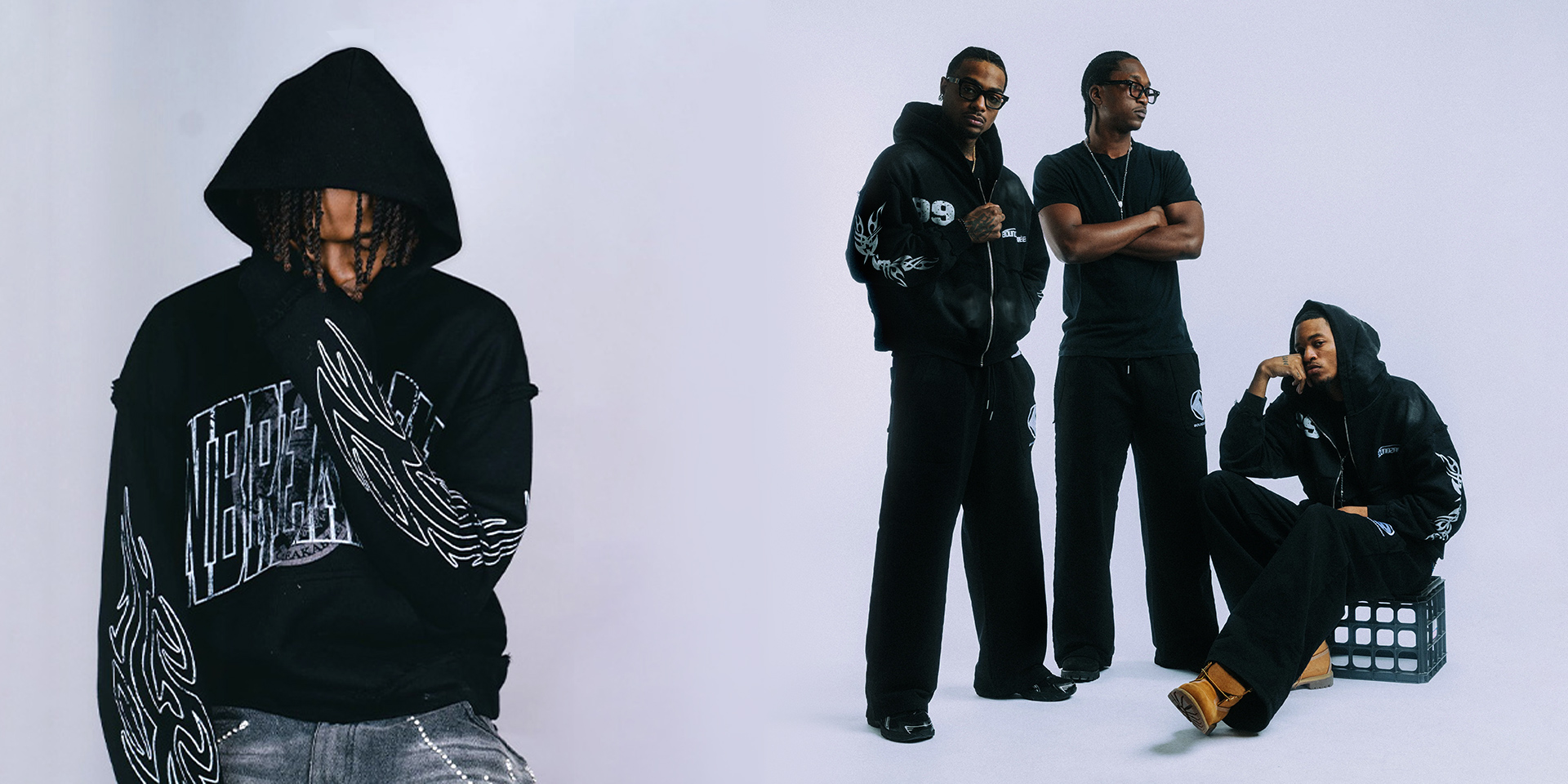 premium streetwear manufacturer Groovecolor premium streetwear production partner streetwear apparel manufacturers streetwear clothing manufacturer premium streetwear manufacturers Groovecolor