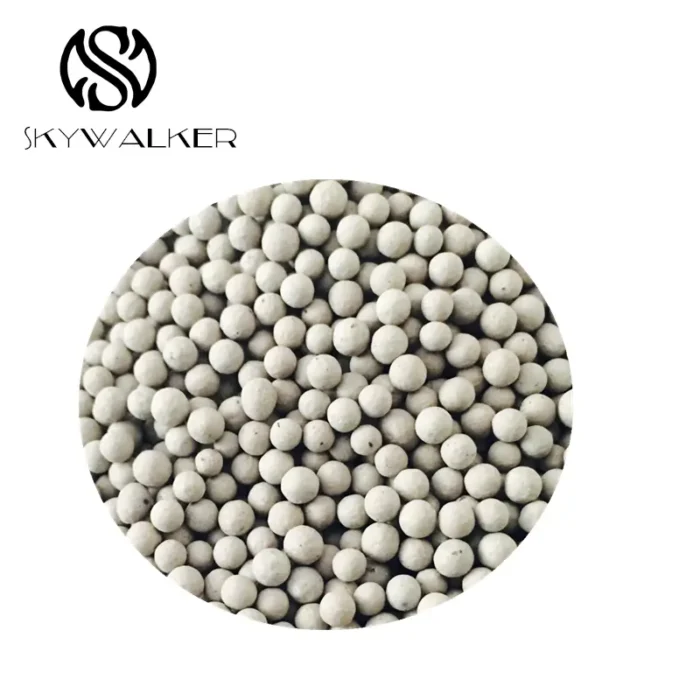
Comprehending enhanced purifying clay entails a comprehensive inspection of its features. This exceptional element is widely engaged in the processing of vegetable oils, expertly eliminating pollutants. The preparation method typically involves enzymatic treatment, elevating its adsorptive capability to engage colored compounds. In conclusion, this manual will uncover the foundation behind activated bleaching earth and palm oil bleaching earth its functions.
Clarifying Mineral Suppliers: Locating the Appropriate Company
Ensuring a consistent provider of absorbent clay is crucial for many domains, particularly those involved in edible oil processing. Picking the suitable source requires rigorous consideration beyond just valuation. Examine their proficiency in clay distribution, their standards procedures, and their potential to consistently accommodate your demand needs. A reliable bleaching earth provider will also offer consultation and a array of classes to match your distinct application.
Each Theory Behind Refined Clarifying Material
Treated bleaching earth, a cornerstone of the refining process for edible oils, functions through a fascinating blend of solid and chemical operations. Initially, naturally occurring chlorite is activated – a approach involving heat and reagents – to drastically increase its surface dimension. This expanded surface allows an immense number of locations for the selective adsorption of color pigments, foreign matter, and undesired odor compounds. The mechanism is primarily non-chemical adherence, where molecules are held by weak van der Waals contacts, though some ionic adsorption can also happen with certain substances. This results because of a significant mitigation of color and amplification of the oil's visual quality and flavor.
Lightening Compound - Features and Applications
Lightening compound, frequently called fine clay, features unique attributes that make it considerably valuable across broad selection of industries. Its foremost attribute is its outstanding whiteness, resulting from its reduced inclusion concentration. This attribute constitutes it apt for tasks necessitating a pale display. In addition to its tinge, purifying clay: earth is usually soft and shows good flexibility, permitting it to be conveniently molded. Usual uses contain writing generation, rubber boosting, biomedical recipes, makeup items, and as an capacity-enhancing substance in different fabrication techniques. Also, it finds use in stoneware and finish sectors.
Determining the Appropriate Processed Clarifying Mineral for The Demands
Electing the correct whitening mineral can be a sophisticated procedure, as diverse applications call for different properties. Assess the form of oil you’re refining; some minerals are enhanced for flora-based oils, while different kinds are oriented towards zoic fats. Components like porosity and decolorization rate markedly influence capability.
- Analyze the brightness and odor strength of the input to identify the desired refining standard.
- Evaluate the dispersion; finer particles generally provide increased surface area, but may cause separation challenges.
- Recognize the liquid amount as it modifies the mineral’s detoxifying effectiveness.
Whitening Compound: Creation Procedures and Standard
The manufacture of bleaching earth, a widely utilized substance for oil refining and chemical purification, involves several key steps. Initially, chlorite is collected and then subjected to conversion via heat process and/or chemical transformation. This method enhances the adsorptive properties of the mineral. Then, rigorous caliber assessments are implemented, including analyses of unit size allocation, hydrocarbon adsorption capacity, and water content degree. Modern analytical techniques, such as microscopy analysis and regulated analysis, are exploited to assure a dependable commodity that matches stringent criteria.
Sustainable Sourcing of Enhanced Bleaching Clay
The ascending demand for activated bleaching earth presents a important challenge regarding its extraction and environmental repercussion. Classic sourcing methods can result in habitat ruin and reduction of natural resources. Consequently, a pivot towards sustainable sourcing is imperative. This involves prioritizing practices like revegetation of mined areas, leveraging waste remnants from other industries for creation, and assisting indigenous communities to protect ethical and sustainable mining conduct. Furthermore, endorsement schemes and meticulous review processes are imperative to substantiate that the mineral is procured in a truly responsible manner. Considerations should also include decreasing capacity consumption during treatment and hydration agent usage.
- Replanting efforts
- Repurposing waste materials
- Backing local communities
- Validation schemes
Lightening Earth Distributor Registry: Top Corporations Evaluated
Finding a dependable mineral vendor can be a challenge, but our comprehensive catalog aims to support the process. We’ve assiduously compiled data and listed leading corporations in the bleaching earth business. This guide highlights prominent producers known for their caliber and consultation, allowing shoppers to find the top source for their individual needs. Various factors, including output volume, selection, and evaluations, were scrutinized in determining these best grades.
Understanding Activated Bleaching Earth Performance Metrics
To accurately gauge the standard of activated bleaching earth, it’s necessary to learn key capability metrics. These standards often include color parameter, typically measured using a apparatus, which reflects the earth’s ability to remove color from oils. In addition, acid value is vital, as it affects the bleaching process; a higher quantity usually connects with improved lightening capabilities. Finally, porous area, often calculated via BET analysis, strongly impacts the earth’s capacity to bind colorants, ultimately affecting its overall clarifying function.