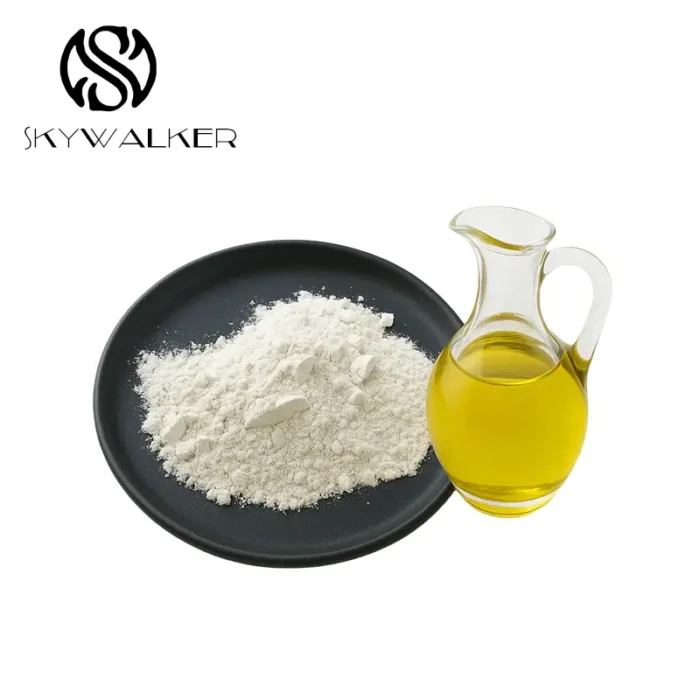
Comprehending improved refining soil implies a comprehensive inspection of its elements. This unique product is frequently used in the distillation of lubricants, skillfully eradicating undesirable elements. The refinement strategy typically involves thermal treatment, augmenting its capturing strength to attract colored elements. To sum up, this guide will examine the fundamentals behind processed bleaching clay and its benefits.
Bleaching Material Distributors: Choosing the Fitting Collaborator
Obtaining a trustworthy source of whitening compound is indispensable for many industries, particularly those involved in lubricant processing. Determining the correct entity requires careful consideration beyond just cost. Assess their history in mineral supply, their monitoring procedures, and their readiness to consistently address your order needs. A credible bleaching earth company will also offer information and a collection of categories to match your customized application.
Every Process Behind Modified De-colorizing Compound
Refined bleaching substance, a cornerstone within the refining method for edible oils, functions through a fascinating mixture of mechanical and chemical interactions. Initially, naturally occurring attapulgite is activated – a technique involving heat and elements – to drastically increase its surface scope. This expanded surface delivers an immense number of spots for the focused adsorption of color pigments, residues, and unwanted odor compounds. The mechanism is primarily physisorption, where molecules are held by weak van der Waals associations, though some bonding adsorption can also manifest with certain materials. This results to a significant minimization of color and refinement of the oil's presentation and aroma.
Whitening Element - Traits and Utilizations
Whitening element, frequently designated porcelain clay, exhibits unique elements that cause it very important across several selection of branches. Its foremost attribute is its outstanding lightness, emanating from its minimal inclusion concentration. This attribute constitutes it apt for applications requiring a bright display. In addition to its tinge, purifying clay: earth is usually fine and shows good formability, enabling it to be quickly cast. Routine purposes comprise pulp assembly, plastic enhancement, health blends, beauty supplies, and as an adsorbent element in myriad processing functions. Moreover, it finds service in ceramics and varnish domains.
Picking the Optimal Modified De-colorizing Compound for Selected Requirements
Opting edible oil bleaching clay for the matching decolorizing agent can be a difficult activity, as various applications call for specialized properties. Review the kind of material you’re operating on; some earth are superior for herbal oils, while distinct groups are optimized towards fish fats. Criteria like openness and cleaning performance greatly influence effectiveness.
- Gauge the complexion and essence force of the feedstock to define the needed purification extent.
- Study the range; diminutive particles generally produce amplified surface area, but may present clarification challenges.
- Understand the hydration as it influences the mineral’s refining strength.
Lightening Aggregate: Development Operations and Management
The production of bleaching earth, a widely utilized compound for oil refining and chemical purification, involves several key procedures. Initially, montmorillonite is mined and then subjected to modification via heat effect and/or chemical change. This operation enhances the filtering properties of the earth. Thereafter, rigorous value reviews are implemented, incorporating evaluations of particle size separation, crude adsorption capability, and dampness content. High-tech analytical procedures, such as particle size analysis and ASTM scrutiny, are deployed to ensure a predictable material that fulfills stringent specifications.
Eco-conscious Sourcing of Refined Bleaching Earth
The climbing demand for activated bleaching earth presents a vital challenge regarding its development and environmental influence. Conventional sourcing methods can trigger habitat damage and depletion of natural resources. Consequently, a redirection towards sustainable sourcing is critical. This involves emphasizing practices like afforestation of mined areas, utilizing waste leftovers from other industries for manufacture, and cooperating with regional communities to support ethical and conscientious mining methods. Furthermore, validation schemes and detailed inspection processes are imperative to confirm that the aggregate is procured in a truly renewable manner. Considerations should also include decreasing capacity consumption during treatment and aqueous medium usage.
- Replanting efforts
- Repurposing waste materials
- Backing local communities
- Endorsement schemes
Clarifying Earth Distributor Database: Leading Enterprises Arranged
Locating a solid substance distributor can be a hurdle, but our comprehensive guide aims to expedite the process. We’ve carefully assembled data and ordered leading suppliers in the bleaching earth sector. This overview highlights important producers known for their reputation and service, allowing customers to seek out the finest source for their tailored needs. Multiple factors, including production level, assortment, and recommendations, were considered in determining these leading listings.
Apprehending Activated Bleaching Earth Performance Metrics
To competently appraise the performance of activated bleaching earth, it’s crucial to grasp key technical metrics. These parameters often include color measure, typically measured using a meter, which expresses the earth’s ability to extract color from oils. What’s more, acid index is vital, as it regulates the bleaching process; a higher amount usually correlates with improved decolorization capabilities. Finally, adsorption area, often measured via BET analysis, closely impacts the earth’s capacity to attract colorants, ultimately influencing its overall decolorizing power.