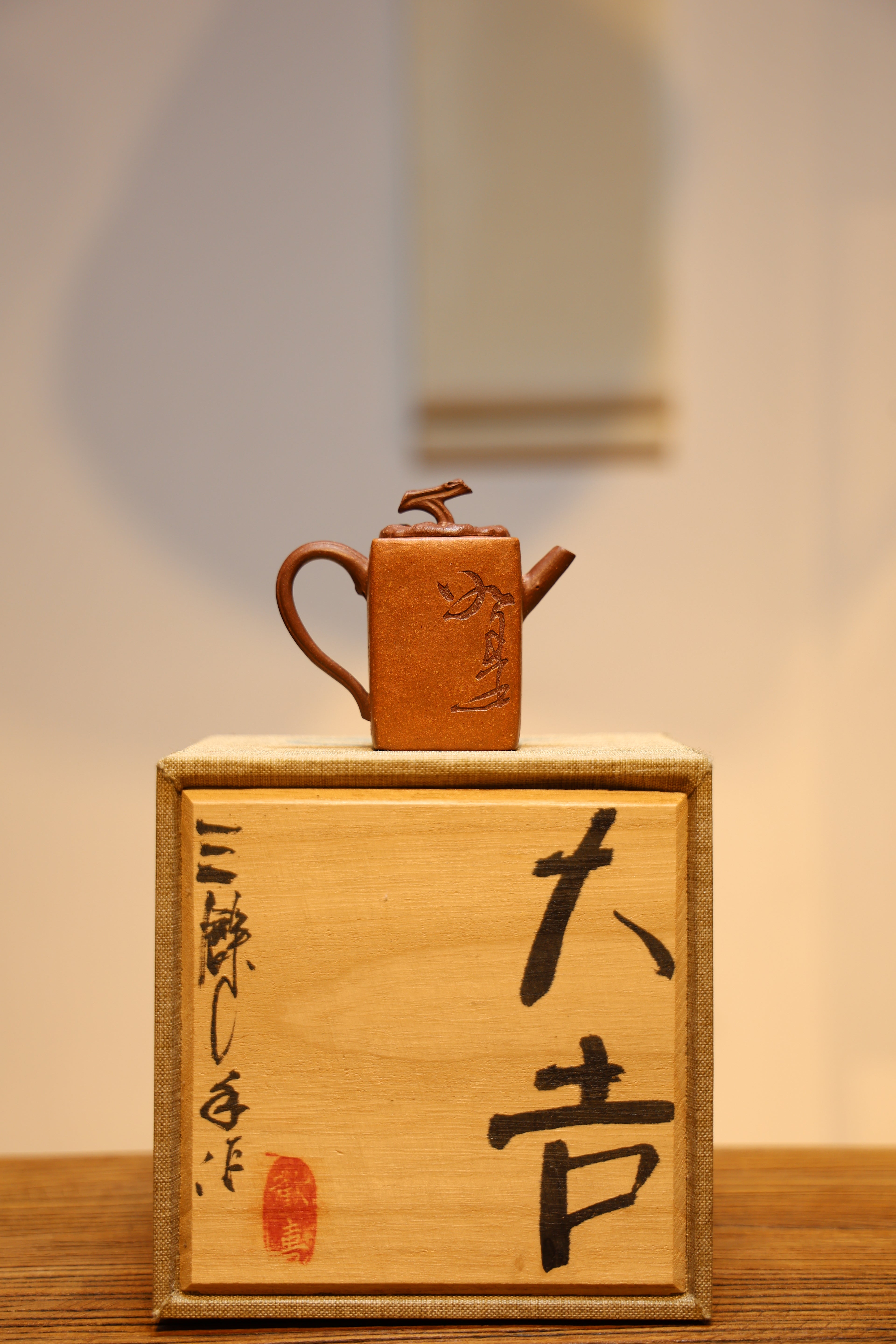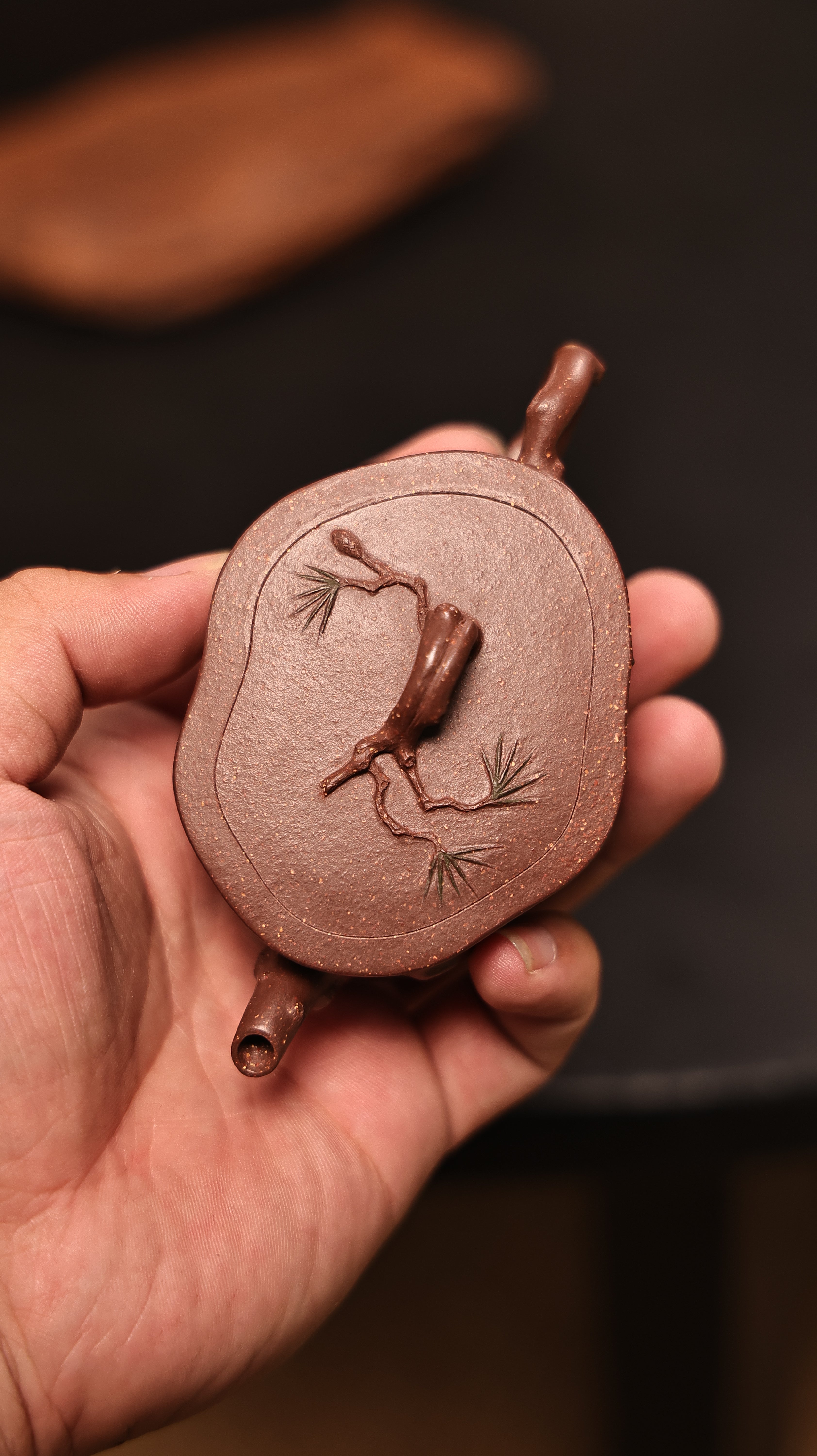
Across the expanse of historic epochs,
Amidst generations, collectors have been ensnared by the uncommon charm of Yixing Zisha teapots. Originating from the locality of Yixing in China, these wares are renowned for their notable beauty, unusual clay, and essential ability to elevate the note of tea. The soil's distinctive purple-brown hue, combined with the artistic handiwork of regional makers, creates items that are and functional creations and precious possessions. Owning a Zisha teapot is more than just the purchase; it's experiencing a rich historical heritage.
Understanding Yixing Teapots: History, Models, and Esteem
Famous Yixing teapots manifest a extensive heritage deeply intertwined with Chinese culture. Deriving in the Yixing region of Jiangsu province, these clay vessels boast a heritage reaching back to the Ming Dynasty. First examples were functional, but throughout centuries, Yixing teapot making evolved into an esteemed art form. The clay itself, known for its unique vitality and ability to raise the flavor of the tea, endures a defining factor. Yixing teapots appear in various styles, broadly categorized by shape: Historic such as Zhuni (purple clay) and Bisheng, as well as exclusive designs. The cost of a Yixing teapot relies on several factors, including the potter’s reputation, the age of the piece, the rarity of the clay, and its aesthetic grace.- Chronology: Early periods
- Clay: Several sorts
- Cost Determinants: Craftsman's renown
Zisha Pot Creation: Strategies and Potters
One crafting of a genuine Zisha teapot is a sophisticated process, requiring long spans of expertise. Proficient artisans meticulously extract the purest Zisha clay, a exceptional earth found only in specific regions of China. Customary techniques, often passed down through families, involve detailed shaping, nuanced carving, and unhurried firing in ancient ovens. The culminating teapot isn't merely a receptacle; it's a testament to design vision and the intense connection between the potter and their ancestry. Each piece showcases the distinctive touch of the maker, resulting in a truly matchless work of art.
Historical Teapots: Investigating the Rich Legacies of Yixing
Famous Yixing, located in Jiangsu the territory, is commonly renowned for its exceptional vessels Zisha Teapot – a tangible representation of centuries of Chinese craftsmanship. These aren't merely vessels for preparing tea; they are intricate works of innovation, often reflecting conceptual ideals. Yixing's unique purple clay, known as Zisha, possesses unique qualities: the matter dense, permeable, and imparts a subtle quality to the tea.
- Many lineages have honed the techniques of Yixing urn making, passing down exclusive methods through families.
- Devotees prize these pieces for their charm and scarcity.
- Several jar tells a anecdote, connecting the enjoyer to a rich heritage.
Entering Yixing Zisha: Key Considerations
During analyzing get Yixing Zisha earthen pots, multiple aspects call for careful inspection. Preliminarily, the clay’s tone is vital; authentic Zisha habitually exhibits a identifiable auburn hue. Furthermore, inspect the artistry; clear markings and a sleek overlay reveal accomplished production. At last, study the artisan's credentials; famous names earn enhanced fees and often grant a secure gain.
Crafting Tea with Zisha Clay Vessels
Making tasty tea with a Zisha pot is more exceeding a simple ritual; it's an art. Zisha clay, recognized for its unique natural composition, imparts a refined character to the prepared tea that’s often absent with other materials. The appropriate water intensity is necessary; typically, softer than what's used for black tea, to maintain the tea's fragrance and zest. Consider mindfully the tea class; delicate green teas or aged pu-erhs flourish from the Zisha’s ability to mellow their basic edge. It’s critical to preheat the teapot ahead of brewing, and to avoid over-steeping. Mastering this procedure leads to a veritably exceptional tea occasion.
- Understanding Zisha Clay
- Thermal Measure & Tea Sort
- Role of Pre-treatment
Protecting Your Yixing Ceramic Pot
So as to guarantee the persistence of your valuable Yixing teapot, systematic preservation is absolutely mandatory. Do not using synthetic products; instead, carefully rinse it with comfortably warm solution. Ward off abrupt temperature; please don't situate the container directly onto a hot base. Periodically, condition the jar by steeping it with superior black concoction, as this assists to amplify its patina and maintains the unique features of the clay.
Pertaining to Element to Mug: The Transition of a Purple Vessel
The creation of a Zisha teapot is a exceptional mechanism, a symbol to both the environment’s bounty and the expertise of the craftsman. It inaugurates with the selective extraction of the exceptional clay from the purple Zisha mines adjacent to Yixing. This pure material, known for its exceptional attributes, is then methodically cleaned and shaped for the initial forming. The jar’s profile is expertly assembled using a combination of time-honored molding strategies, often incorporating intricate embellishments. Following ripening, the jug undergoes a critical first firing, preceded by a finishing stage, which might involve a series of layers of unprocessed Zisha slips. Finally, a second, and sometimes third, firing at intense temperatures finalizes the object, revealing its definitive beauty and magnificent characteristics - a honest masterpiece, ready to enrich a tea gathering.
{Yixing Teapots: A Sign of the Legacy and Valuation
Famous Yixing teapots, originating from the renowned Yixing region of Jiangsu province, are far more than mere containers for brewing the beverage; they represent a significant aspect of Chinese artistry. Formed from distinctive purple clay – zisha – these singular teapots are highly coveted for their ability to boost the flavor of the tea and, crucially, for their charm. The past of Yixing teapot making spans centuries, and the artistry involved is conveyed through generations, making each teapot a craftwork that embodies heritage-bound techniques and a profound appreciation for the elegant pleasures in life.